
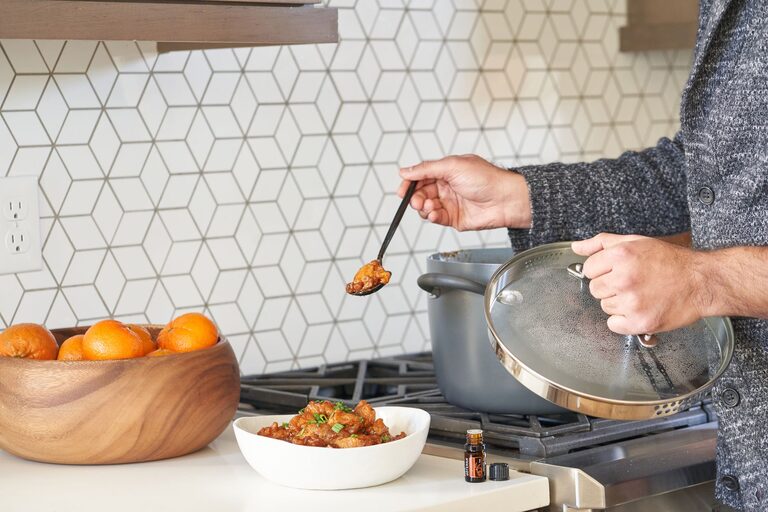
If you’re new to slow cooking, it’s a great time to get acquainted with this handy kitchen appliance. A slow cooker, often called a crockpot, allows you to prepare tasty, nutritious meals with minimal effort. It’s perfect for busy schedules, meal prepping, or anyone who enjoys home-cooked food without spending hours in the kitchen. This beginner guide will walk you through the basics of using a slow cooker, share tips, and offer simple recipes to get you started.
What Is a Slow Cooker?
A slow cooker is an electric countertop appliance that cooks food at a low temperature over several hours. It usually consists of a ceramic or stoneware pot that sits inside a heating base with a lid. The gradual cooking process helps tenderize tougher cuts of meat, blend flavors, and preserve moisture for juicy, flavorful dishes.
Benefits of Using a Slow Cooker
– Convenience: Set it in the morning, come back to a ready meal.
– Saves time: Minimal prep and no need to watch over the stove.
– Energy-efficient: Uses less electricity than an oven or stovetop.
– Cost-effective: Allows use of affordable ingredients like tougher meat cuts and dried beans.
– Versatile: Can make soups, stews, casseroles, desserts, and even breakfast dishes.
How to Use a Slow Cooker: Step-by-Step
1. Choose the Right Slow Cooker Size
Slow cookers typically range from 1.5 to 8 quarts. For singles or couples, a 3-4 quart cooker is ideal. For families or batch cooking, 6-8 quarts works well.
2. Prepare Your Ingredients
Most slow cooker recipes require simple chopping or seasoning. Common ingredients include:
– Meats (beef, chicken, pork)
– Vegetables (potatoes, carrots, onions)
– Broths or sauces
– Spices and herbs
3. Layer Ingredients Properly
For best results:
– Place dense vegetables like potatoes and carrots at the bottom.
– Put meat on top to ensure it cooks evenly.
– Add liquids such as broth or sauce last.
4. Select the Correct Cooking Setting
Slow cookers usually have 2-3 settings:
– Low: 6-10 hours, good for tougher cuts requiring long cooking.
– High: 3-6 hours, cooks faster but requires more attention to timing.
– Keep Warm: Keeps food hot once cooking is done.
5. Avoid Opening the Lid Frequently
Each time the lid lifts, heat escapes and cooking time increases. Resist the urge to check often.
6. Finish and Serve
Once cooking is complete, check that meat is tender and vegetables are soft. Add fresh herbs or seasonings if needed before serving.
Tips for Slow Cooking Success
– Trim excess fat from meat to reduce greasiness.
– Brown meat beforehand for extra flavor (optional).
– Avoid overfilling: Leave about an inch of space from the top.
– Use thick liquids like tomato sauce or cream to avoid watery dishes.
– Soak dried beans before cooking to soften and reduce cooking time.
– Cut vegetables uniformly for even cooking.
Simple Slow Cooker Recipes for Beginners
Slow Cooker Beef Stew
Ingredients:
– 2 lbs beef stew meat, cubed
– 4 carrots, sliced
– 3 potatoes, cubed
– 1 onion, chopped
– 2 cups beef broth
– 2 cloves garlic, minced
– 1 tsp thyme
– Salt and pepper to taste
Directions:
- Place carrots and potatoes in the slow cooker.
- Add beef on top, sprinkle with garlic, thyme, salt, and pepper.
- Pour beef broth over everything.
- Cook on low for 8 hours or high for 4 hours.
- Stir and serve hot.
Slow Cooker Chicken Tacos
Ingredients:
– 2 lbs boneless chicken breasts
– 1 cup salsa
– 1 packet taco seasoning
– Tortillas and toppings (lettuce, cheese, sour cream)
Directions:
- Place chicken breasts in the slow cooker.
- Sprinkle taco seasoning and pour salsa over chicken.
- Cook on low for 6 hours.
- Shred chicken with forks and mix with sauce.
- Serve in tortillas with your favorite toppings.
Cleaning and Maintenance
– Allow the slow cooker to cool completely before cleaning.
– The ceramic insert and lid are usually dishwasher safe.
– Wipe the heating base with a damp cloth—do not submerge in water.
– Store the slow cooker with the lid off to prevent odors.
Final Thoughts
Using a slow cooker can simplify your cooking routine and help you enjoy homemade meals with less stress. With a little practice and experimentation, you’ll find it easy to prepare a variety of dishes that suit your taste and lifestyle. Give it a try, and you might wonder how you ever cooked without one!
Happy slow cooking!